
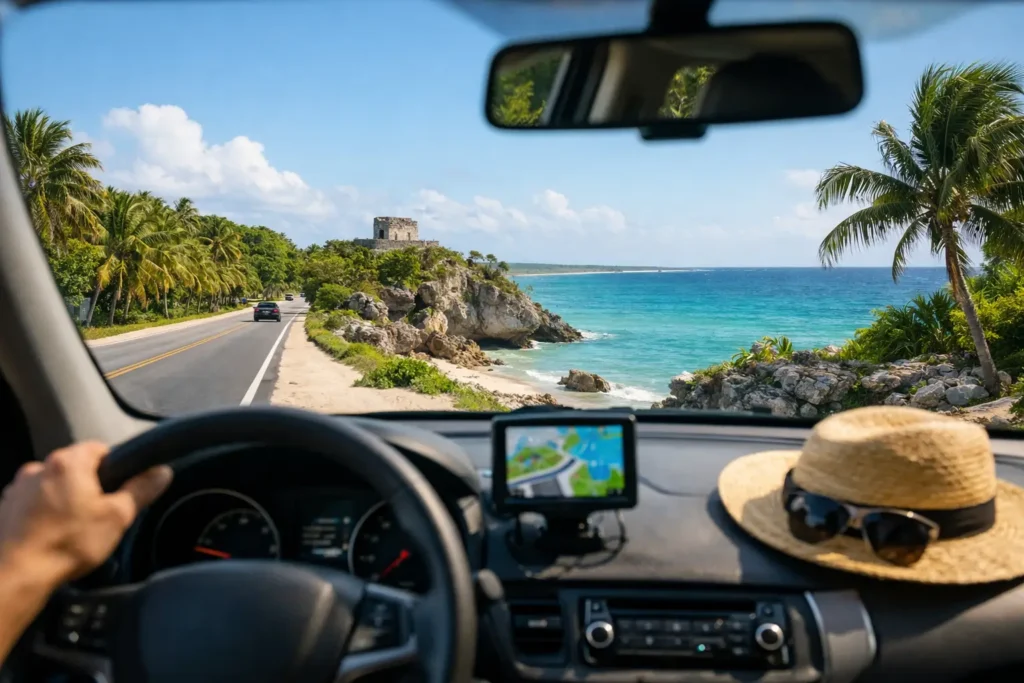
Landing in Cancun looks simple until you start piecing together how you’ll actually move between the airport, your hotel, the beach clubs, cenotes, and day trips. That is exactly where a Riviera Maya driving guide helps – not with vague travel advice, but with the practical details that make your trip feel easy from day one.
Driving in the Riviera Maya is usually much more straightforward than first-time visitors expect. The main tourist corridor between Cancun, Puerto Morelos, Playa del Carmen, Akumal, Tulum, and farther south is built around Highway 307, which is the backbone of most road trips in the area. If your goal is flexibility, faster transfers, and less time waiting on other people’s schedules, having a car can completely change the pace of your vacation.
Why driving makes sense in the Riviera Maya
If you plan to stay in one resort and never leave, you may not need a car. But that is not how most travelers experience this region. People land in Cancun, stay in Playa del Carmen, want dinner in Tulum, a cenote stop the next day, and maybe a beach break in Akumal before heading back. Once you start moving between places, taxis add up quickly and shared transportation starts eating into your time.
Driving gives you control over your itinerary. You can leave early to avoid crowds, stop when you see a place worth checking out, and return on your own schedule. For couples, families, and small groups, it is often the most practical option, especially for trips of three days or more.
There is also a comfort factor. You are not carrying beach bags through bus terminals or coordinating multiple rides with luggage. A compact car or sedan is usually enough for this region, since most major tourist routes are paved and simple to navigate.
Riviera Maya driving guide: what the roads are really like
The good news is that the main roads used by visitors are not especially complicated. Highway 307 is the route you will use most. It runs along much of the coast and connects the area’s best-known destinations. In general, it is easy to follow and well traveled.
That said, easy does not mean perfect. Traffic conditions depend heavily on time of day, weather, roadwork, and the season. Around Cancun and Playa del Carmen, traffic can get slow during peak arrival hours, especially near busy intersections, hotel zones, and construction areas. Tulum can also feel more congested than travelers expect, particularly near the beach road and downtown access points.
Once you leave the most crowded areas, driving tends to feel calmer. Distances are manageable, and the route between towns is usually direct. You will not be constantly making complicated turns, but you do need to stay attentive for speed changes, roundabouts, local traffic, and occasional uneven pavement.
Common routes visitors drive
Many travelers pick up a car in Cancun and then head south. Cancun to Puerto Morelos is a short and simple drive. From there, Playa del Carmen is an easy next stop, followed by Akumal and Tulum. If your plan includes cenotes, eco-parks, or inland ruins, expect some smaller roads once you leave the main highway, but most are still manageable in a standard rental car.
The airport to hotel transfer is often the part people worry about most. In practice, it is usually one of the simplest drives of the trip if you have your route ready before leaving.
Local driving habits and what to expect
The biggest adjustment for many US travelers is not the road itself. It is the rhythm of traffic. Drivers in tourist areas can be assertive, and lane discipline is not always as predictable as in some US cities. You may see sudden stops, quick lane changes, motorcycles moving between cars, and delivery vehicles slowing traffic.
The best approach is calm, defensive driving. Do not mirror aggressive behavior, and do not rush because a local driver is moving faster behind you. Keep a comfortable following distance, especially in rain, and assume other drivers may brake unexpectedly.
Speed bumps are another thing to watch for, especially when entering towns, smaller communities, or side roads. Some are marked clearly, others less so. Hitting one too fast can ruin an otherwise smooth day.
Rules, fuel, and parking without the confusion
A practical Riviera Maya driving guide should keep this part simple. Basic road rules are familiar to most US drivers, but details matter. Seat belts should be worn, drinking and driving is never worth the risk, and using your phone while driving should be avoided unless fully hands-free.
Fuel stations are easy to find along the main route, but it is smart not to let your tank get too low if you are heading toward less busy areas or planning multiple stops. Payment methods can vary by station, so carrying a card and some cash is useful.
Parking depends on where you are. In central Playa del Carmen and Tulum, parking can be the hardest part of the drive, not the road itself. Beach areas and popular restaurant zones fill up fast. In those cases, arriving earlier can save time and frustration. At hotels, many beach clubs, and larger attractions, parking is often straightforward, though fees may apply.
Be careful with informal parking situations. If signage is unclear, double-check before leaving the car. It is better to ask than to come back to a problem that slows down your day.
Tolls, checkpoints, and police stops
Most visitors spend the majority of their time on routes that do not involve constant toll decisions, but you may encounter toll roads depending on your plans. If you do, keep some cash available just in case. It is one of those small details that makes the drive feel easier.
Military or police checkpoints can happen in Mexico, including tourist regions. In most cases, these are routine. Stay calm, be respectful, and have your driver’s license, rental agreement, and identification accessible. A normal stop does not need to become a stressful moment if your documents are in order.
If you are ever stopped by police, keep the interaction polite and simple. Avoid arguing on the roadside. Most trips happen without any issue, but confidence comes from being prepared, not from assuming nothing will happen.
Is it safe to drive in the Riviera Maya?
For most travelers staying on common tourist routes, daytime driving is generally comfortable and manageable. The bigger question is not whether driving is possible, but whether you are matching your plans to the right conditions.
Daytime drives are the easiest choice, especially if this is your first visit. Night driving is possible, but it comes with trade-offs. Road lighting can be inconsistent in some stretches, rain can reduce visibility quickly, and unexpected road hazards are harder to spot. If you are heading to a new area for the first time, arriving before dark is usually the better move.
Weather also matters. Heavy rain can change road conditions fast, especially during storm season. That does not mean cancel every plan, but it does mean giving yourself more time and avoiding unnecessary speed.
Renting the right car for this trip
You do not need a large SUV to enjoy the Riviera Maya. In fact, many visitors are happier with a compact car or sedan because it is easier to park, easier to maneuver in town, and usually more budget-friendly. That is especially true if your route is centered on Cancun, Playa del Carmen, Tulum, and the surrounding attractions.
What matters more than vehicle size is clarity in the rental process. You want to know what is included, what documents you need, how pickup works, and whether support is available if something comes up. A simple reservation process and transparent pricing remove a lot of friction before your trip even starts.
That is why many travelers prefer providers focused on practical vacation mobility rather than making the process feel complicated. Companies like Roady stand out when the experience is clear, quick, and built around what tourists actually need in the region.
Smart habits that make the trip smoother
A few choices make a noticeable difference once you are on the road. Start with your route saved before leaving the airport or hotel. Check travel time, but also allow extra minutes for traffic in busy zones. Keep water in the car, especially in warm months, and do not leave valuables visible when parked.
It also helps to plan your day in geographic clusters. If you are staying in Playa del Carmen, combine nearby beach stops, cenotes, or dinner plans instead of crossing the same route multiple times. Less backtracking means less time in traffic and more time enjoying the destination.
Most of all, keep your expectations realistic. The Riviera Maya is easy to drive compared with many travelers’ fears, but it is still an active tourist region. You may hit traffic, miss a turn, or spend longer than expected finding parking in Tulum. None of that means the trip is going badly. It just means you are traveling in a place people actually want to be.
The best driving mindset here is simple: stay alert, keep your plans flexible, and choose a rental experience that removes surprises instead of adding them. That is usually all it takes to turn transportation from a vacation headache into one of the reasons the trip feels free.